- Choose the complete coating system
- Document required moisture tests
- Resolve results before coating
Reddit discussions identify questions; technical guidance comes from the linked primary sources. This article is not a site inspection or an engineered specification. How we research.
Surface dryness answers only a limited question
A garage floor may feel dry, look pale and have been in place for years. Those observations are useful, but they do not establish the moisture condition relevant to a particular coating. Before investing in epoxy, ask how readiness will be verified rather than relying on the absence of visible water.
A Reddit homeowner received conflicting opinions about garage repairs before epoxy after a contractor raised a possible moisture concern. That uncertainty is common because appearance, surface damage and moisture are often discussed together. The thread cannot determine the floor's moisture condition, but it highlights the need for a defined assessment.
Use the coating system as the starting point
Request the full proposed system, including any primer, moisture-control layer, base coat and topcoat. Obtain the current technical instructions and ask which moisture tests and limits apply. Do not accept a universal number quoted without reference to the product and test method.
NRMCA CIP 28, Concrete Slab Moisture explains that moisture can affect floor-covering and coating performance and discusses limitations of different assessment methods. The useful takeaway is that testing must be interpreted for the selected system and conditions. This article does not prescribe a single acceptable reading for every epoxy floor.
If two contractors use different systems, their allowable conditions may differ. Compare the complete proposal and supporting documentation rather than assuming the one with the more permissive-sounding claim is better.
Distinguish water sources from test results
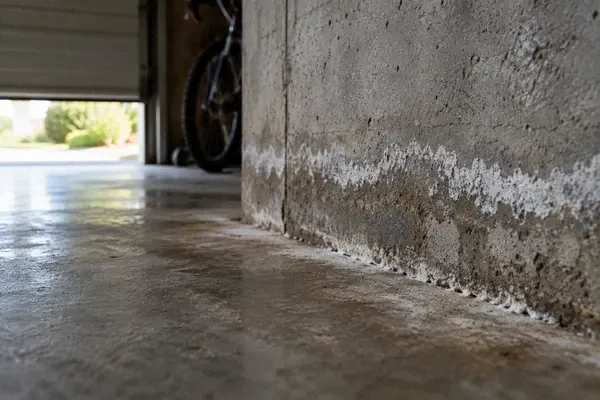
Ask about visible water entry after rain, recurring damp areas, plumbing events and the slab's construction history. A test result describes a measured condition under a method; it does not by itself identify every source of moisture or guarantee that future conditions will be identical.
If a vapor retarder is known to exist, obtain the available record. If it is unknown, say so. NRMCA CIP 29 discusses vapor retarders beneath slabs. The presence of a membrane in a drawing should not be treated as direct proof of its current continuity or condition beneath an existing floor.
Visible water intrusion deserves a separate investigation. A coating described as moisture tolerant should not automatically be expected to solve drainage, plumbing or water-pressure problems. Ask which conditions the system is designed to address and which fall outside its limits.
Ask for a test plan, not a casual reading
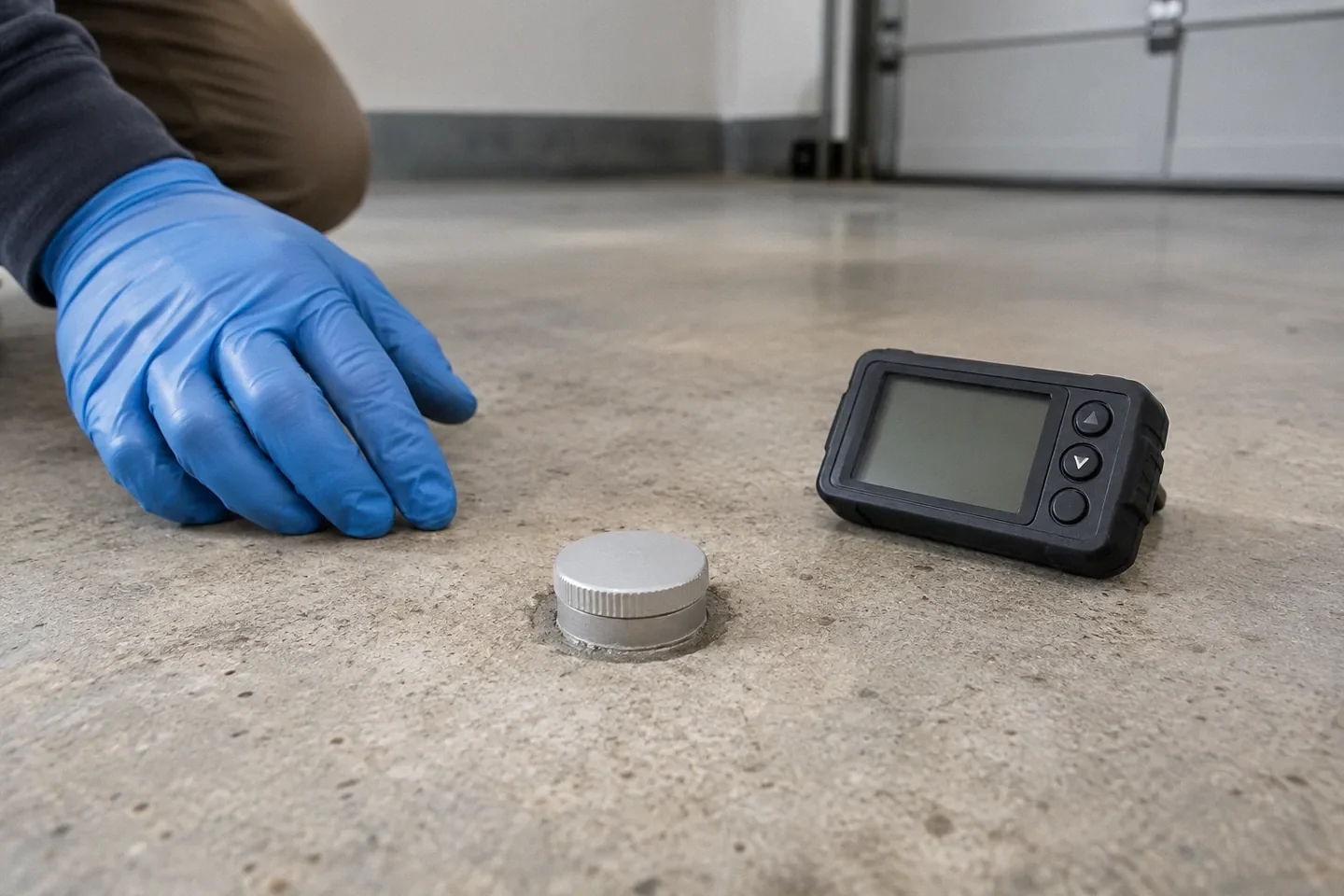
The proposal should identify the method, locations, timing and person responsible. Ask how site conditions will be established and recorded and how the results will be compared with the manufacturer's requirements. The current standard and product guidance should govern the procedure; do not copy an old internet summary as the testing protocol.
A handheld device or a taped sheet may be used as part of an investigation, but its role should be clear. Is it a screening observation or an acceptance test required by the system? The distinction prevents a quick reassuring demonstration from being mistaken for complete verification.
Request the actual report, not just the statement that the floor passed. It should identify the method and results sufficiently for the coating installer and manufacturer to review. Keep it with the product data and installation record.
Preparation does not eliminate every moisture question
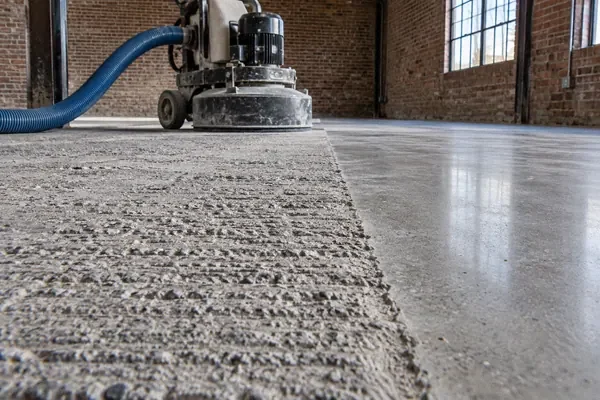
Grinding can prepare a surface for bonding, but it does not prove the slab's moisture condition meets the system's limits. Likewise, filling cracks or removing old paint does not establish readiness. These are separate acceptance conditions that should each be addressed.
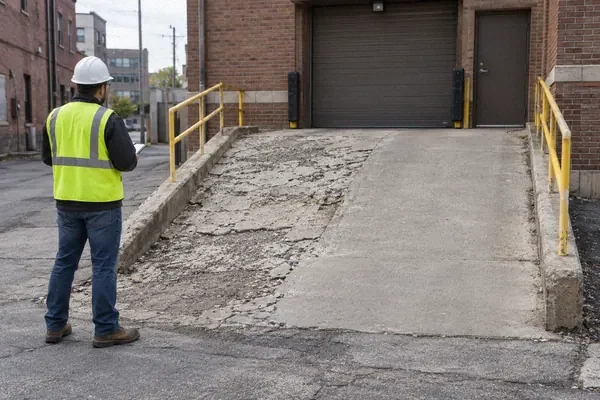
If preparation exposes unexpected repairs, damp areas or deterioration, ask whether the test plan or coating scope needs revision. The project should have a decision point before coating, not an assumption that all questions are settled once the grinder is finished.
Avoid applying an improvised sealer or primer to make a concerning test disappear. Any mitigation system must be suitable for the measured condition and compatible with the full coating assembly. Obtain that confirmation through the responsible installer or manufacturer.
Agree on the contingency before the appointment
A useful contract answers what happens if the floor does not meet the requirements. Options may include further investigation, additional drying under appropriate conditions, a supported mitigation system, a different finish or postponement. The appropriate choice depends on the actual findings.
Clarify who prices additional work and who approves it. The owner should not face a rushed decision while mixed materials are waiting. Equally, the installer should not be expected to proceed outside product limits because the garage has already been emptied.
Include access and schedule consequences in the discussion. A technically suitable plan still needs to be workable for the household, but convenience should not replace the readiness criteria.
A homeowner's documentation checklist
- Complete coating-system names and current data sheets.
- Known water-entry and slab-construction history.
- Required test method and acceptance limits.
- Test locations, conditions and actual results.
- Any manufacturer review or mitigation approval.
- Preparation and repair records.
- Written decision to proceed and return-to-use instructions.
This is a focused project record, not a demand for unnecessary testing. It helps show why the selected system was considered suitable at installation.
A hypothetical garage coating decision
Imagine a hypothetical garage that has looked dry for months. The owner expects epoxy to begin immediately after grinding. The installer explains the selected system's test requirements, and the results require further review. Because the contingency was discussed beforehand, the owner can compare supported options without pressure to accept an improvised extra coat.
In another garage, testing meets the system's criteria and no separate water problem is identified. The documented result supports proceeding, while still preserving the limits of what was measured. Neither outcome could be established simply by touching the floor.
Make readiness a documented decision
Choose the coating system, verify its requirements and resolve the results before application. Keep the record for maintenance and any later concern. The important distinction is between a floor that appears dry today and a substrate documented as suitable for the intended finish. That distinction is worth making before the coating hides the concrete.
Related questions
Is an old slab automatically dry enough for epoxy?
No. Age does not establish the current moisture condition or future exposure. The selected coating's requirements still apply.
Does a dry plastic-sheet check prove the floor is ready?
A negative visual check is not a guarantee of acceptable moisture below the surface. Use the testing required by the coating manufacturer.
Research references
- primary · full
NRMCA CIP 28 - Concrete Slab Moisture - primary · full
NRMCA CIP 29 - Vapor Retarders Under Slabs on Grade - reddit · search-excerpt
Concrete Repair and Epoxy Coating