Know what goes
into the pour.
Understand the materials. Spot the warning signs. Ask better questions before you hire, pour, repair or buy.
Explore the guidesStart with the FAQ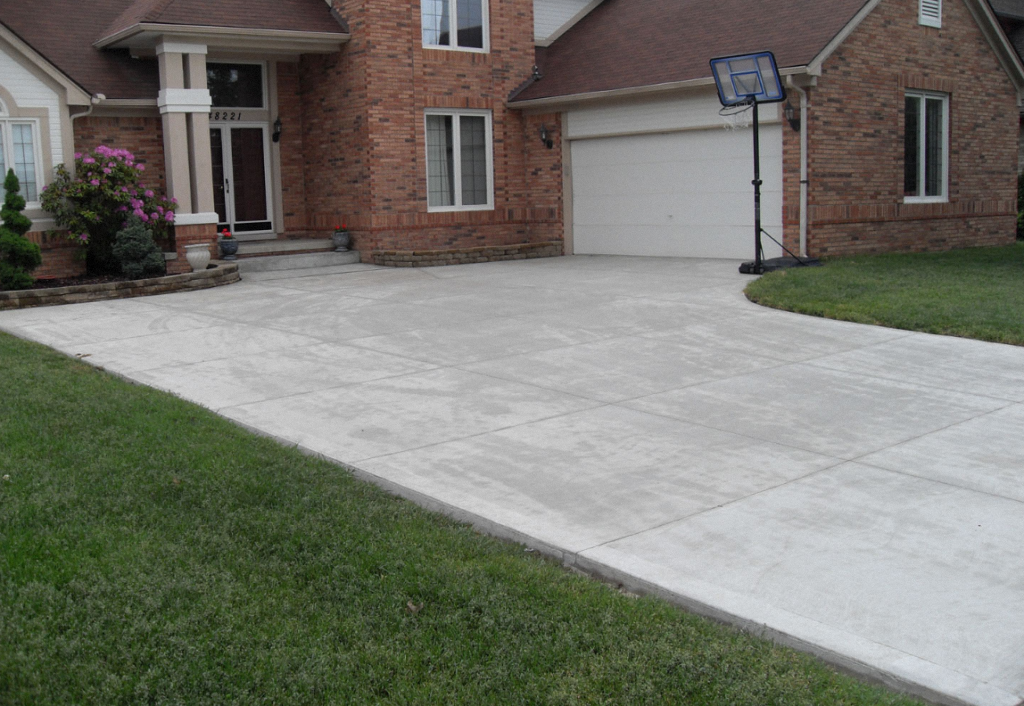
Before the expensive decision.
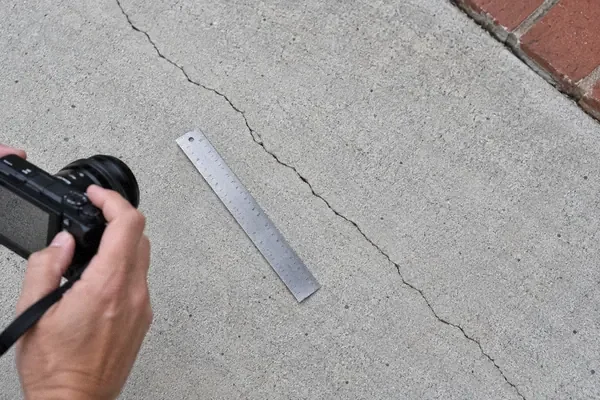
A Crack in New Concrete: What to Record Before Choosing a Repair
Learn what to record when new concrete cracks, how movement and drainage change repair choices, and which questions help a contractor evaluate the problem.

Comparing Concrete Quotes: Build a Scope Checklist Before Comparing Prices
Compare concrete proposals by demolition, access, preparation, materials, drainage and cleanup so that a lower price does not hide a different scope.
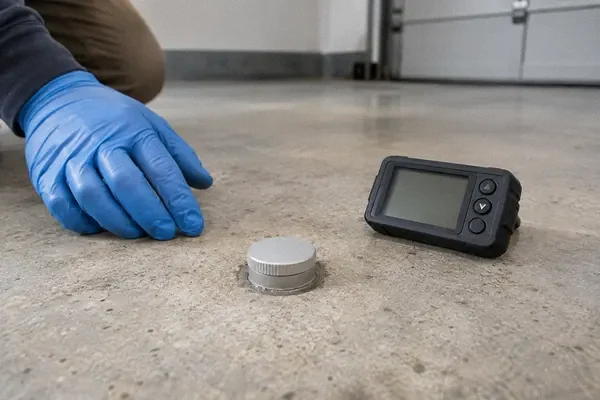
A Garage Floor Looks Dry: Is It Ready for Epoxy?
Learn why a garage floor that looks dry may still need moisture testing before epoxy, and how to request system-specific limits, results and a contingency plan.
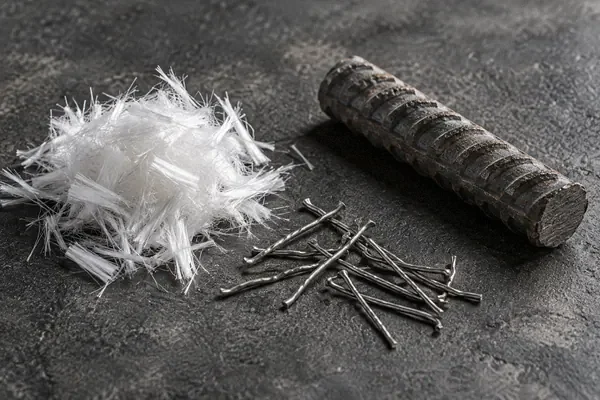
Can Fiber in Concrete Replace Rebar? Ask Which Fiber
Evaluate a fiber-for-rebar proposal by identifying the exact fiber, dosage, function, design basis, remaining reinforcement details, and installation records.
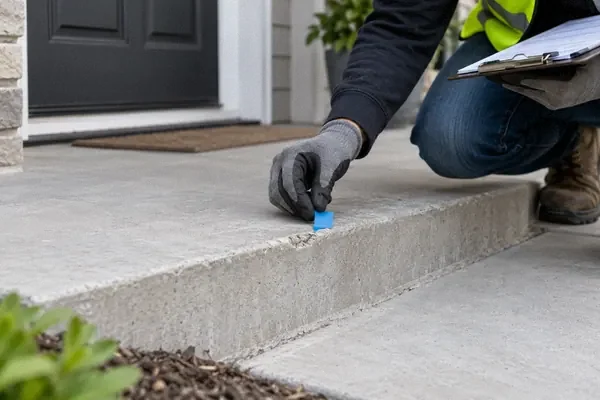
The Concrete Completion Walkthrough: A Practical Punch List
Use a concrete completion walkthrough to compare the agreed work, record unresolved items and reconcile cleanup, project records and the final payment discussion.
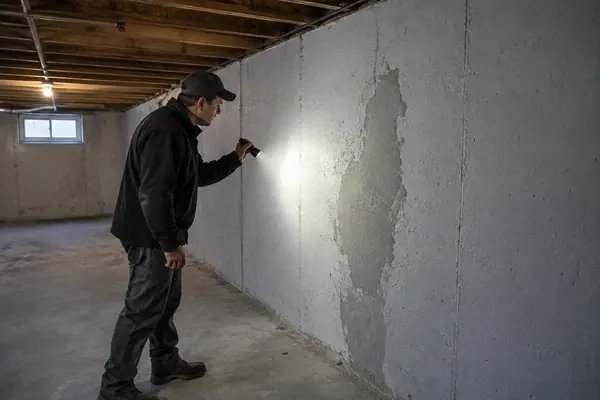
Buying a House With Freshly Covered Concrete: How to Investigate Hidden Defects
Investigate freshly covered concrete or foundation areas during a home purchase through access, repair records and qualified assessment without assuming concealment.
You are not the first to ask.
Is a crack in new concrete automatically a failed pour?
A new crack deserves documentation before a repair decision. Its location, movement, surface condition and effect on use tell you more than width alone.
Read the complete guideWhat should I do when a new patio holds water?
Map the puddle and its effect before deciding on a repair. Its location, persistence, outlet and relationship to doors and normal use matter more than a universal online tolerance.
Read the complete guideWhy is my new concrete a different color in patches?
Blotchy new concrete needs a consistent observation record before treatment. Compare the surface under similar dry conditions and distinguish color variation from loose, weak or changing material.
Read the complete guideWhy is the surface of my concrete flaking or scaling?
Flaking concrete needs an assessment of the damaged layer, its progression and the exposure history. A photograph alone cannot establish whether salt, finishing, curing or another factor caused the problem.
Read the complete guideCan I resurface concrete instead of replacing it?
Resurfacing is worth considering when the existing concrete can support the selected system and its underlying problems are addressed. Replacement becomes a different discussion when movement, support or extensive deterioration makes a surface treatment unsuitable.
Read the complete guideCan I epoxy a garage floor that looks dry?
A dry-looking garage floor is not proof that it meets an epoxy system's moisture requirements. Choose the system first, then use its required testing and acceptance criteria before installation.
Read the complete guideEvidence before assumptions.
Real discussion threads shape the questions. Government agencies, technical organizations and product instructions support the answers. Every guide distinguishes what you can observe from what needs testing or a qualified site assessment.
Read our research method