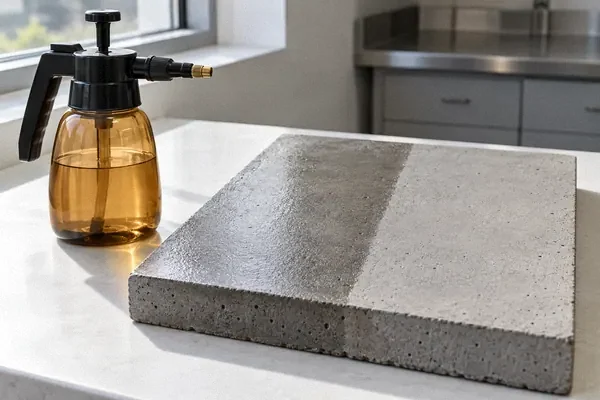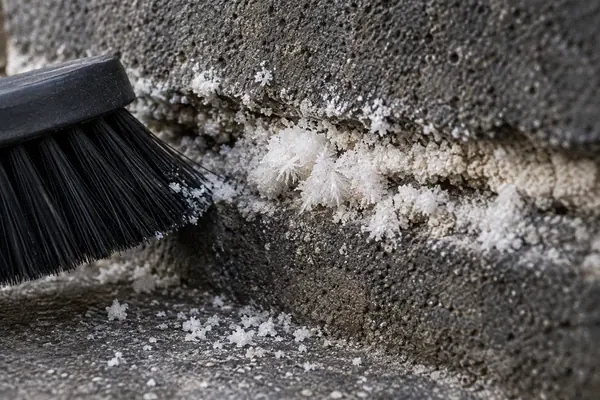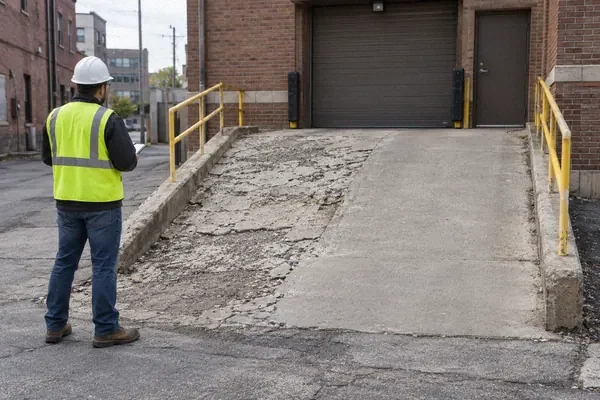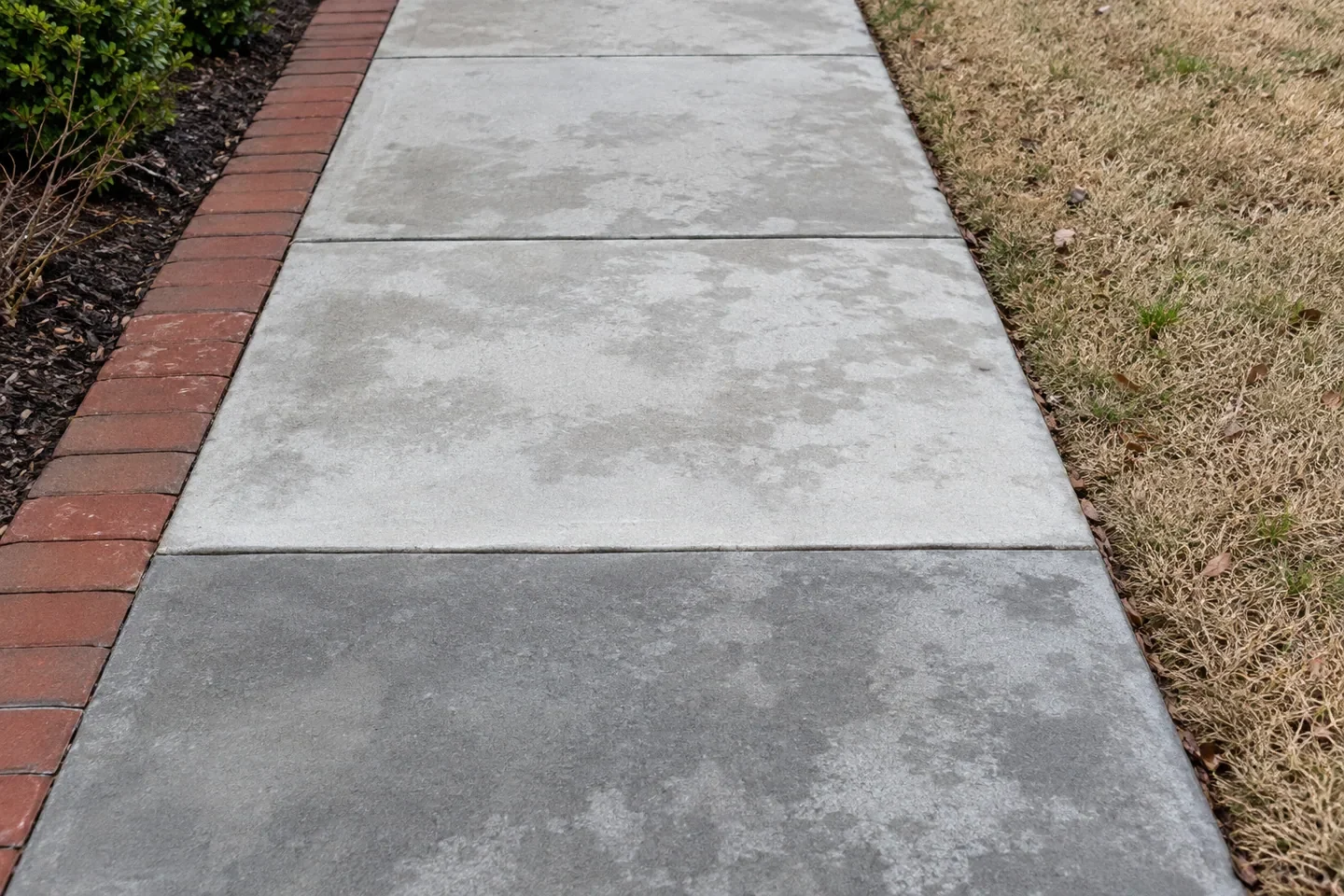
- Compare equal drying conditions
- Collect mix and treatment history
- Test the proposed remedy
Reddit discussions identify questions; technical guidance comes from the linked primary sources. This article is not a site inspection or an engineered specification. How we research.
A new surface is easy to judge too early
Fresh concrete may look different from one area to the next as it dries and the light changes. An owner who selected a color sample can reasonably be alarmed when the installed surface appears pale, dark or patchy. The first task is to determine what is being compared: the same slab at different moisture conditions, two different placements, or the installed finish against a small sample.
A Reddit homeowner questioned the color of a three-day-old slab and discussed waiting before deciding on corrective work. That example supports a useful process question: what conditions should be used for the review? It does not justify promising that another slab will match a sample after a particular number of weeks.
Describe the pattern before assigning a cause
Map the affected areas. Do they follow finishing passes, curing-sheet contact, shade, truck boundaries, joint-cutting activity or drainage paths? These are observations that help the installer investigate. They are not proof of any one mechanism.
Photograph the full area and representative details. Keep the originals and note whether the surface is dry, damp or recently cleaned. If part of the slab is shaded and part is in direct sun, include that context. A close-up of a dark patch without its surroundings can make the condition look more uniform or severe than it is.
NRMCA CIP 23, Discoloration identifies several contributors to concrete color variation. The appropriate use of that guidance is to build an investigation, not choose a cause that matches the shape of a stain. Ask the contractor which explanation is supported by actual project information.
Separate color from physical condition
A difference in hue does not automatically mean the surface is weak. Conversely, an appearance explanation does not answer a complaint about flaking, powdering or loose pieces. Record those symptoms separately so they are not lost in a conversation about whether the color will even out.
Ask whether the proposed evaluation is visual only or includes assessment of surface soundness. The scope should match the complaint. If the owner reports both blotches and material loss, a color-enhancing sealer proposal is not a complete response until the material condition has been addressed.
Also separate deposits from the concrete's own color. Saw-cut dust, dirt, salts or coating residue can create a surface appearance that requires a different approach from integral color variation. Do not start with aggressive cleaning to discover which it is; a small, compatible test is a more controlled investigation.
Collect the product and placement history
Request the color product or mix designation, curing method and any sealer applied. If there were multiple placements, note the dates and boundaries. Ask whether the approved sample represented the same finish and intended treatment. A showroom chip may not communicate the visual effect of a large broomed or stamped area.
Keep the original agreement about color and finish. If a specific mockup was approved, use it in the review. If no mockup exists, acknowledge that limitation and discuss what reasonable reference will be used now. Avoid presenting a phone image taken under unrelated lighting as an exact color standard.
Unknowns should remain explicit. If no one knows which clear product was applied, that affects the options for cleaning or recoloring. A contractor should identify how that uncertainty will be handled before adding another layer.
Set a defined observation period
Observation is useful when it has a purpose and endpoint. Ask the installer when the surface should be reviewed, under what moisture conditions, and what changes would justify earlier attention. Do not accept an indefinite instruction to wait without explaining what is expected to change.
During that period, avoid uncoordinated cleaners, sealers or covers that alter the surface. Continue the agreed care plan. Keep comparable photographs rather than taking dozens of dramatically different views that are difficult to interpret later.
The review should answer whether the appearance is changing, whether the remaining variation is acceptable under the agreement, and what options exist if it is not. It need not establish a single cause before every conversation can proceed, but it should distinguish known facts from hypotheses.
A practical review table
| Evidence | What it helps clarify |
|---|---|
| Comparable dry photographs | Whether the visible pattern is changing. |
| Placement boundaries | Whether separate areas need separate investigation. |
| Curing and sealer records | Which treatments may affect appearance or remediation. |
| Approved sample or mockup | What visual result was actually discussed. |
| Surface-condition observations | Whether the issue extends beyond color. |
| Small remedial test | Whether a proposed method improves this slab. |
This evidence is more useful than ranking possible causes from an online photograph. It also gives both parties a common basis for deciding whether a treatment is worthwhile.
A hypothetical color review
Imagine a hypothetical integrally colored patio with pale bands and darker zones. The owner wants the entire surface stained immediately. Before work, the contractor documents the existing products and compares the slab after drying. Some contrast diminishes, but a visible pattern remains.
A discreet test of the proposed finish then shows whether it improves uniformity or simply deepens both tones. Either result informs the decision. If the test leaves an unacceptable appearance, applying more of the same product over the whole patio is unlikely to satisfy the original objective. Other suitable options can be considered with their costs and maintenance requirements made explicit.
Choose a remedy only after defining success
Ask what the finished surface is expected to look like, whether joints and repairs will remain visible, and how the result will be judged. Keep test-area photographs and product information. New concrete color concerns deserve a prompt, organized response, but prompt does not have to mean immediate chemical treatment. Establish comparable evidence, assess the condition and approve a tested method that addresses the actual appearance goal.
Related questions
Will new concrete always become one uniform color?
That should not be promised. Some variation changes with drying, while other differences may remain and need a specific appearance discussion.
Does blotchy color prove a bad concrete mix?
No. Color alone cannot establish the cause, and the review should consider placement, finishing, curing and later treatments as well as materials.
Research references
- primary · full
NRMCA CIP 23 - Discoloration - reddit · search-excerpt
Help identifying coloring issue